C# and Unity runtime
Delegates, events, async, generics, careful LINQ usage, MonoBehaviour lifecycle, Unity serialization, ScriptableObjects, Addressables, scene flow, input, and testable code.
Unity Developer Skill Set
A practical map of architecture principles, production habits, and current Unity material for developers who ship stable features, keep code maintainable, and make technical decisions under real project constraints.
A senior developer is not defined by knowing more Unity API calls. The role is about designing systems, managing maintenance cost, measuring problems, and choosing solutions that fit the team, platform, and production stage.
Delegates, events, async, generics, careful LINQ usage, MonoBehaviour lifecycle, Unity serialization, ScriptableObjects, Addressables, scene flow, input, and testable code.
Modules with clear responsibilities, separation of data from logic, event systems, game states, save/load, dependency boundaries, and designs that survive feature growth.
Profiling before optimization, GC allocation control, pooling, batching, asset streaming, memory budgets, frame budgets, and platform-specific tradeoffs.
Code review, C# standards, readable commits, build automation, asset versioning, decision records, and mentoring less experienced teammates.
Reliable reproduction, logging, profiler usage, targeted tests, regression isolation, and tracing issues back to measurable causes.
The ability to connect engineering choices with game design, UX, deadlines, production risk, and long-term maintenance after release.
Principles matter when they make code easier to change. In Unity, the recurring risks are God Objects, scene logic tightly coupled to gameplay rules, and duplicated behavior hidden across prefabs.
One class should have one reason to change. Keep input, health, UI, save data, VFX, and combat rules in separate modules.
Stable systems should be extended without rewriting their core. Use strategies, configuration assets, and ScriptableObjects when variants grow.
Inheritance is safe only when every derived type honors the base contract. Avoid child classes that quietly break expected gameplay behavior.
Small contracts such as IDamageable, IInteractable, and ISaveable age better than one wide interface for every gameplay object.
Gameplay logic should depend on abstractions, not concrete scenes, singletons, or prefab internals. References can be injected or configured.
The library is grouped around topics that usually define senior-level Unity work: architecture, performance, production workflow, rendering, UI, and visual pipelines.

Modular architecture with ScriptableObjects, separating data from behavior, and practical patterns for production Unity 6 projects.

C# style, naming, class organization, and conventions that make reviews, onboarding, and long-term maintenance easier.

Practical SOLID examples and Unity-friendly patterns such as Factory, Object Pool, Command, State, Observer, MVP, MVVM, Strategy, Flyweight, and Dirty Flag.
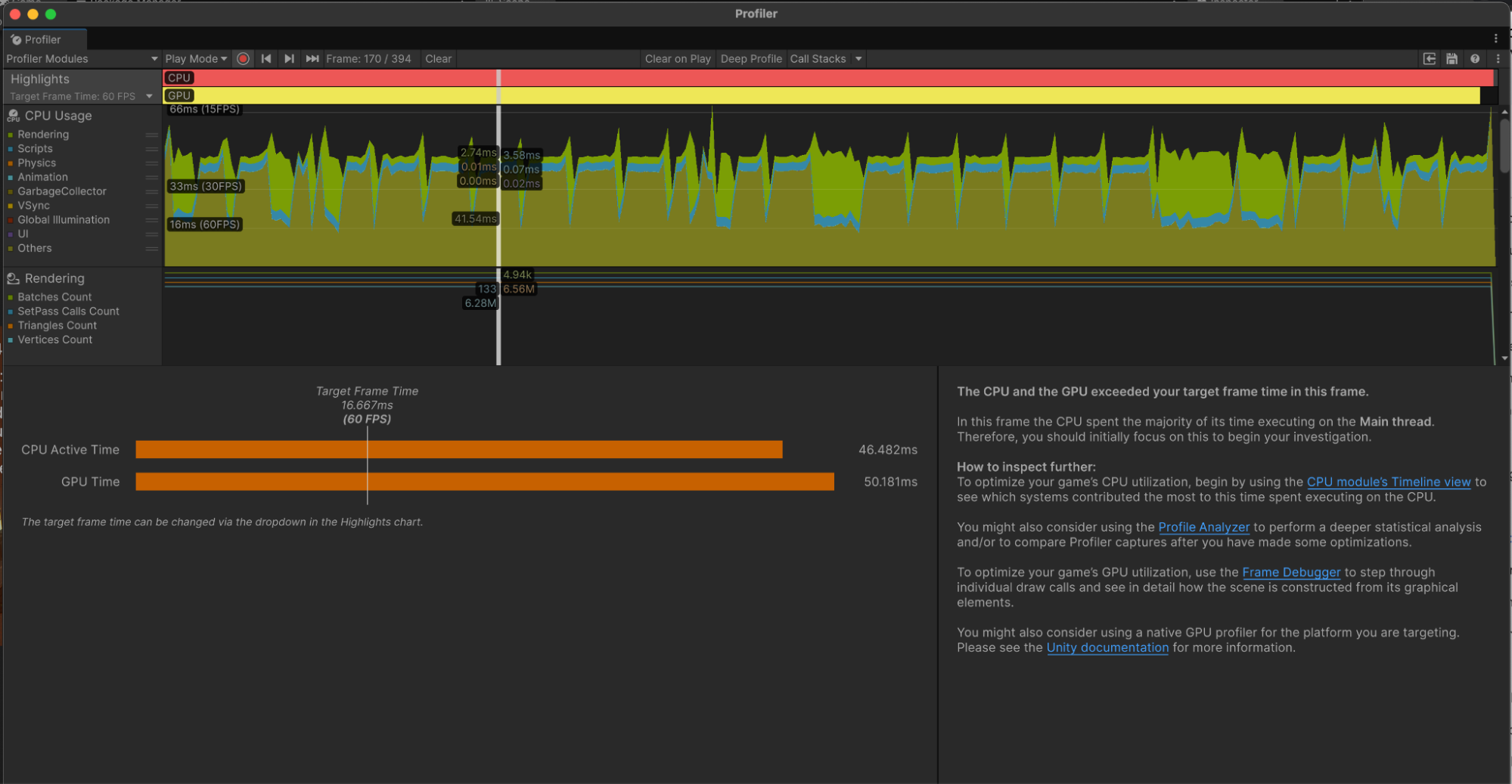
Unity 6 profiling tools for CPU, GPU, memory, frame timing, and a measured process for diagnosing real performance issues.
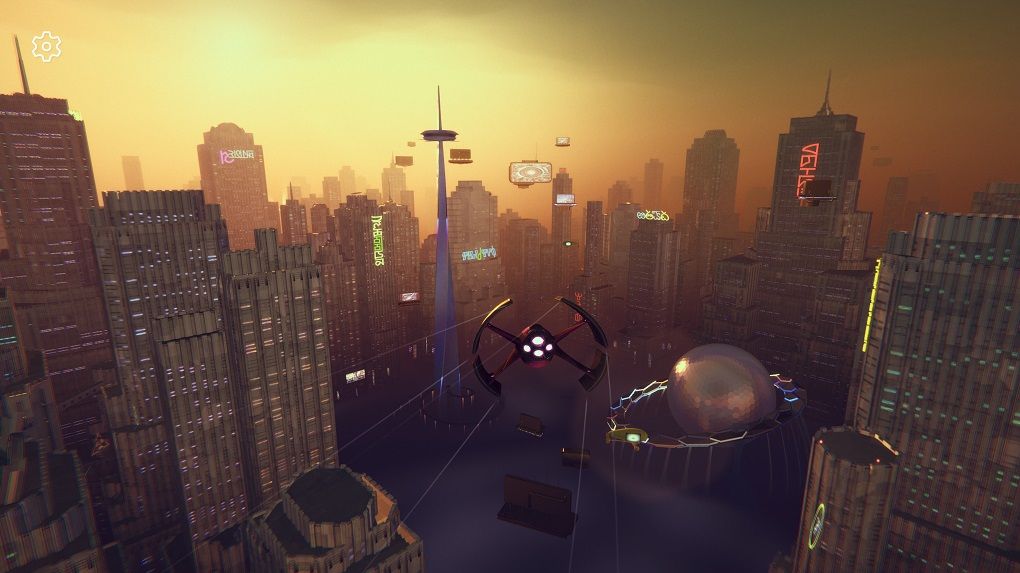
An introduction to DOTS, ECS, Burst, Jobs, and data-oriented design for systems where classic MonoBehaviour patterns stop scaling.
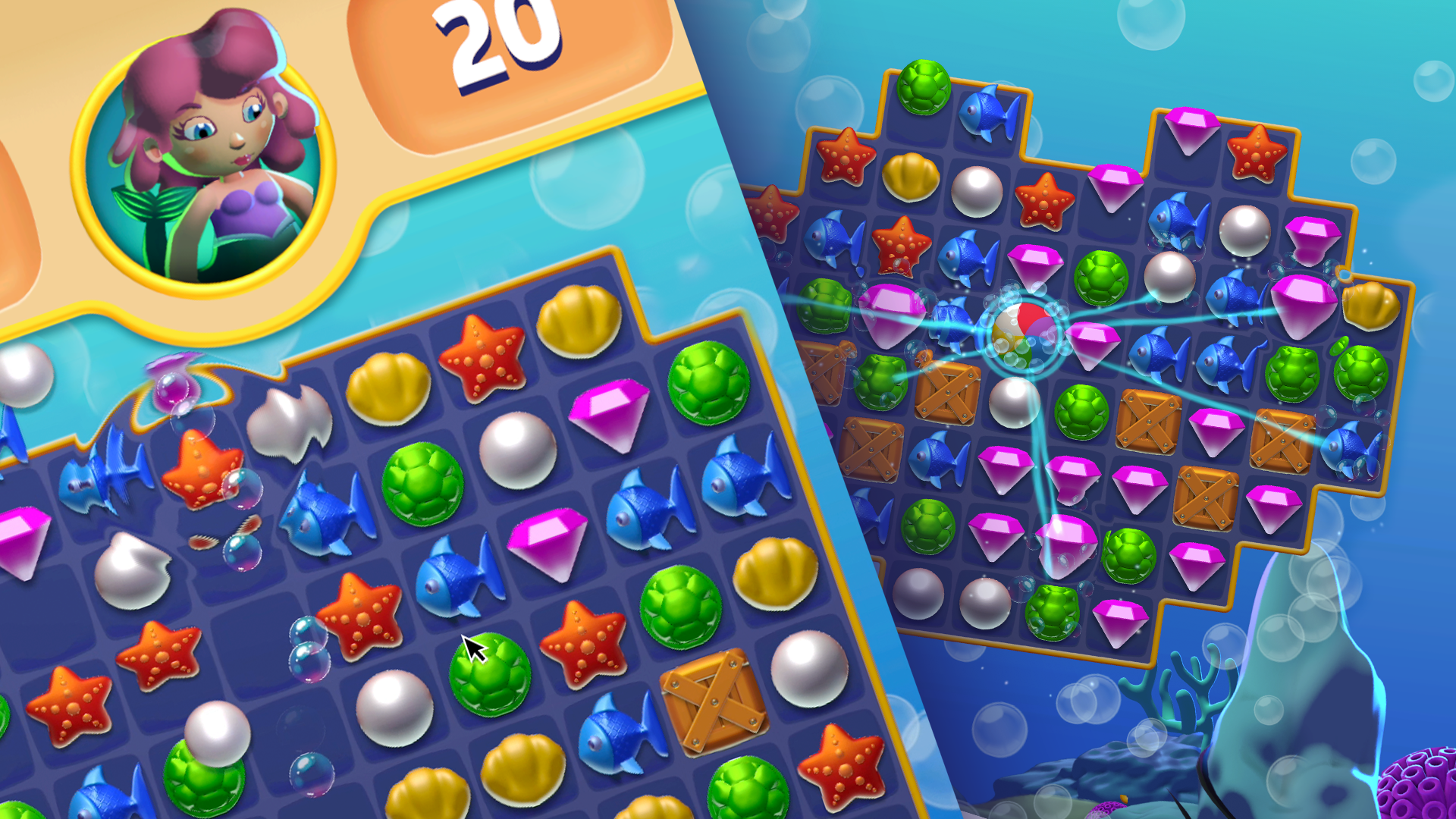
Optimization for mobile, XR, and web builds, including platform budgets, rendering, memory, asset loading, and stable frame pacing.

Advanced optimization for PC and console projects, covering GPU, CPU, streaming, quality scaling, and hardware constraints.
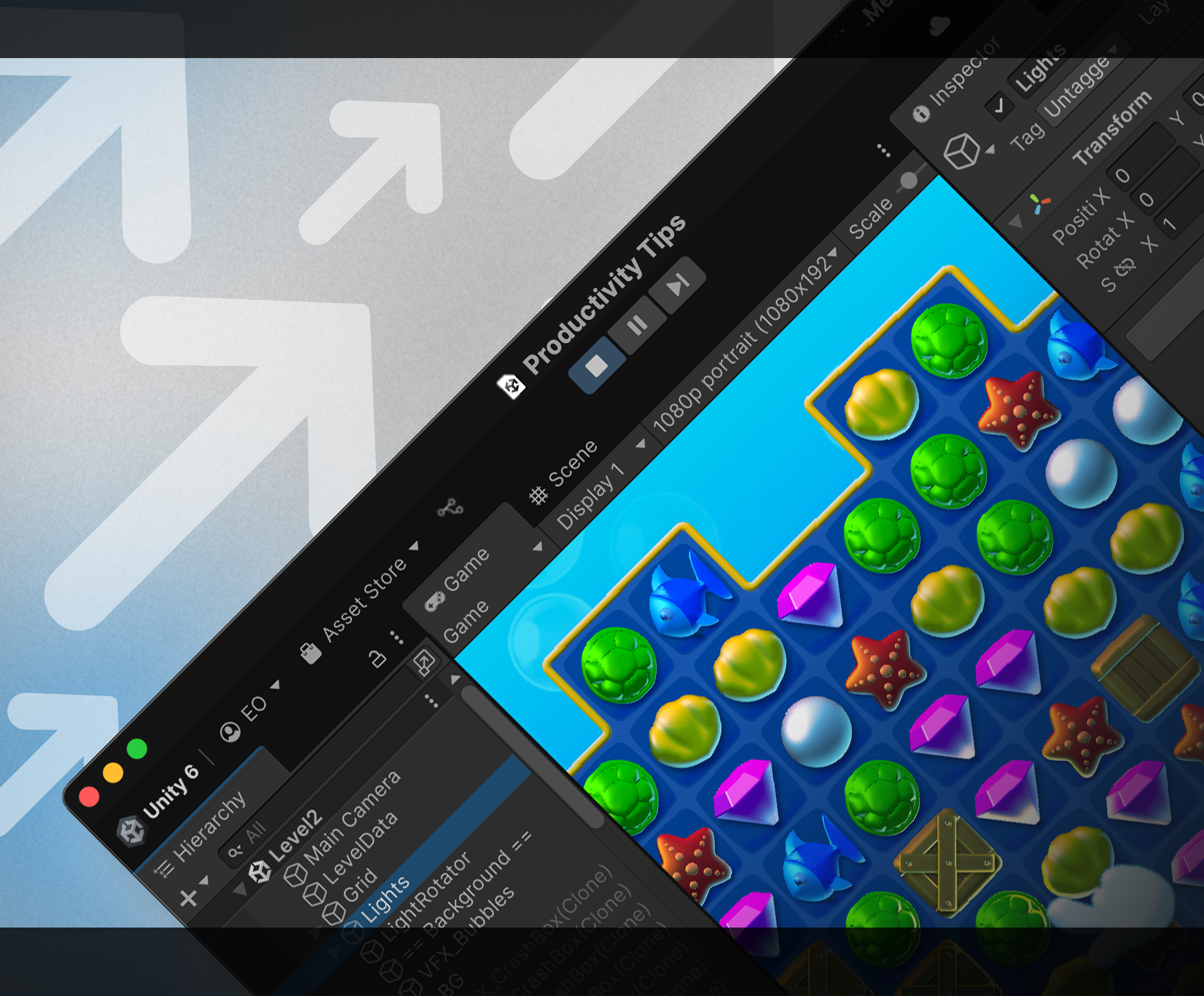
Practical Unity 6 workflow improvements across the editor, debugging, graphics, UI Toolkit, 2D, DevOps, and daily automation.
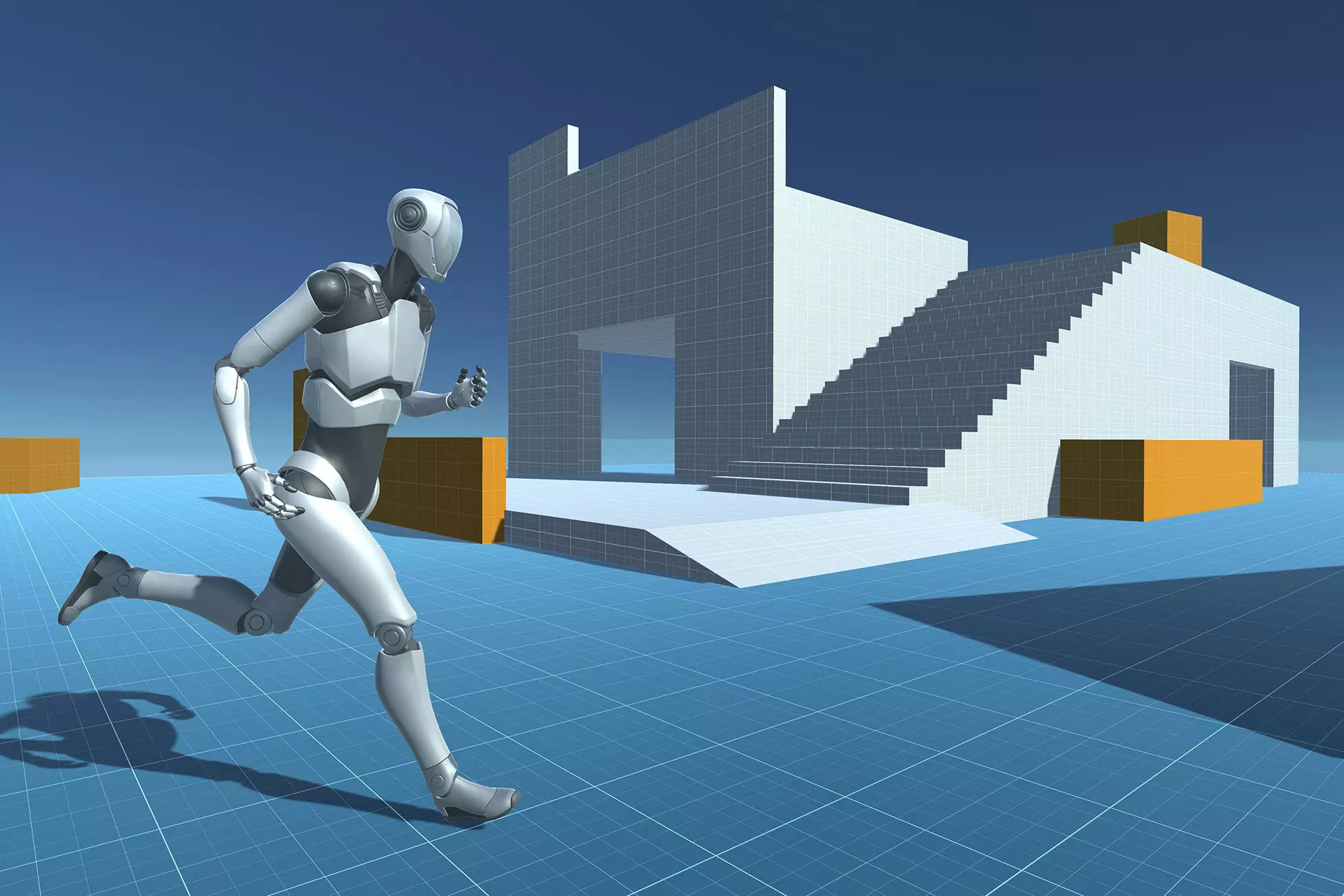
Architecture decisions for multiplayer games, including synchronization, latency, authority, backend concerns, scaling, and live operations.
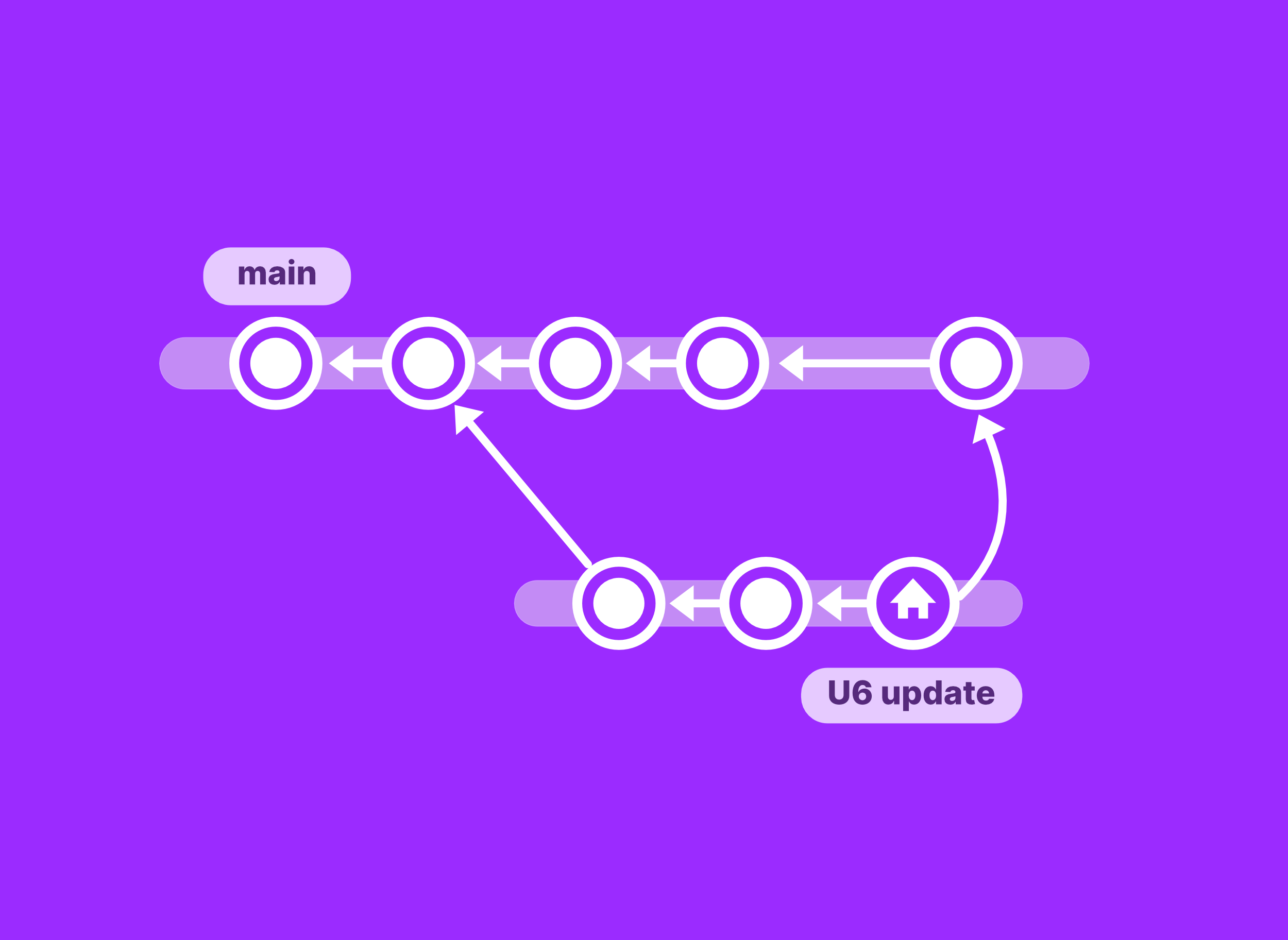
Project organization, repositories, folder structures, asset import rules, branching strategies, and team production practices.
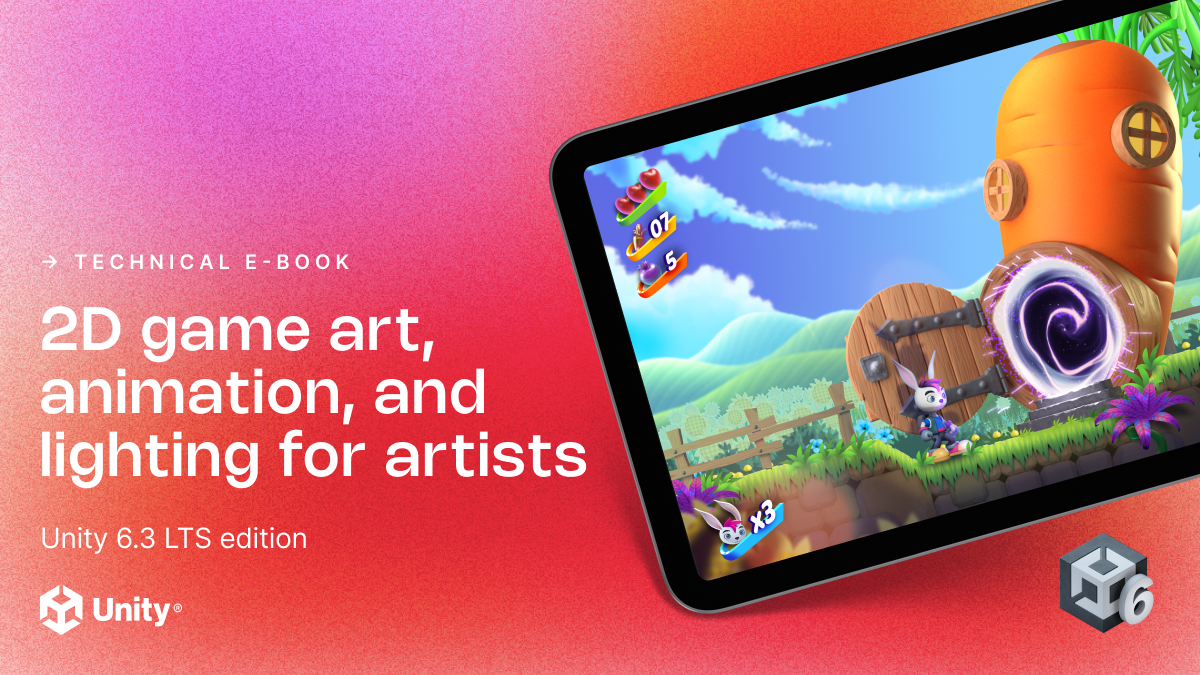
A current Unity 6.3 LTS guide for 2D art, animation, tilemaps, lighting, shadows, 2D physics, and optimization.
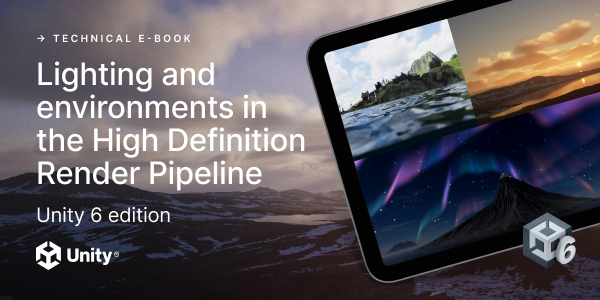
HDRP workflows for Unity 6 and 6.1, covering lighting, APV, GPU Lightmapper, water, volumetric clouds, VRS, and a high-end production pipeline.
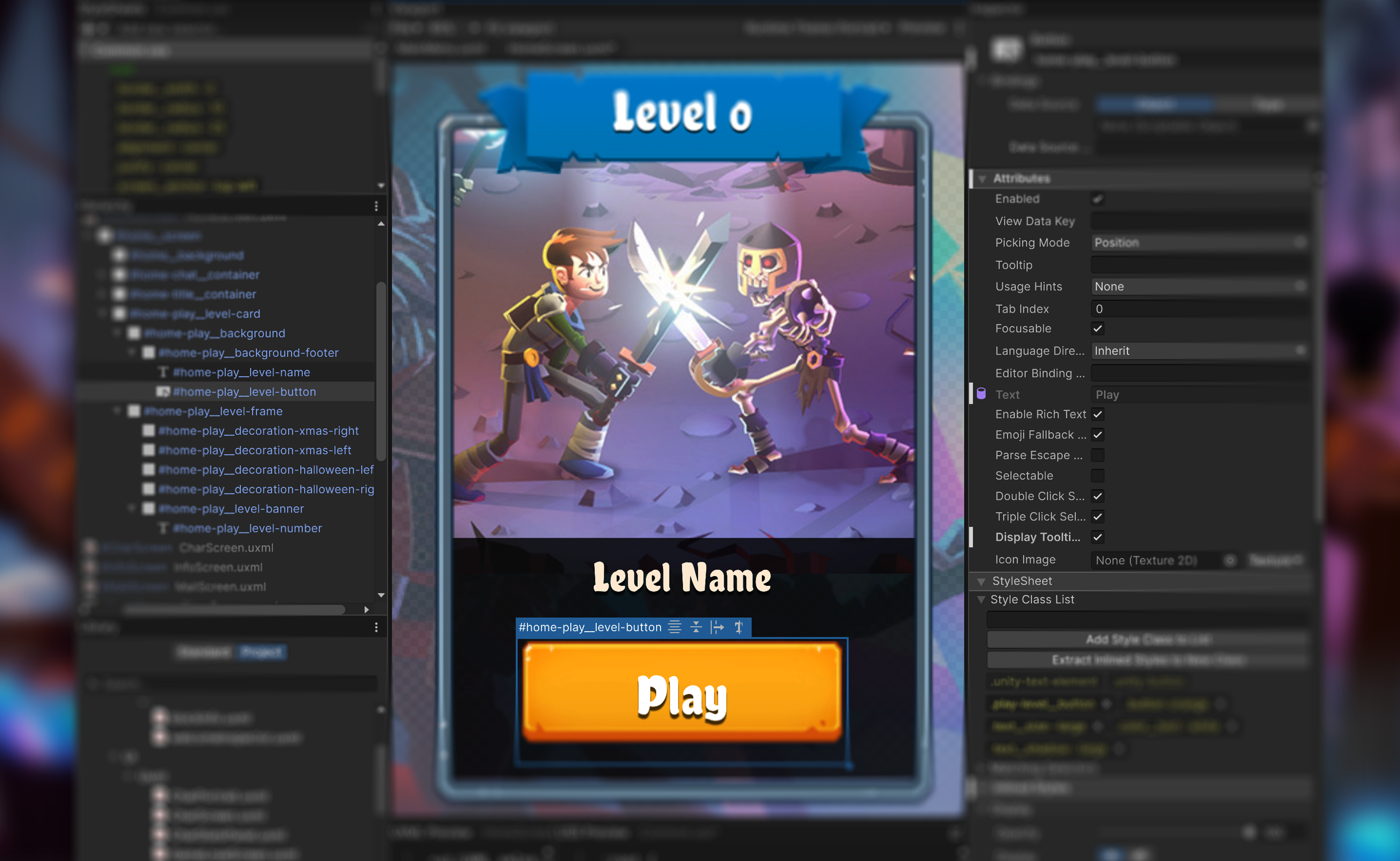
UI Toolkit in Unity 6, including UI Builder, styling, layout, data binding, localization, custom controls, and interface performance.
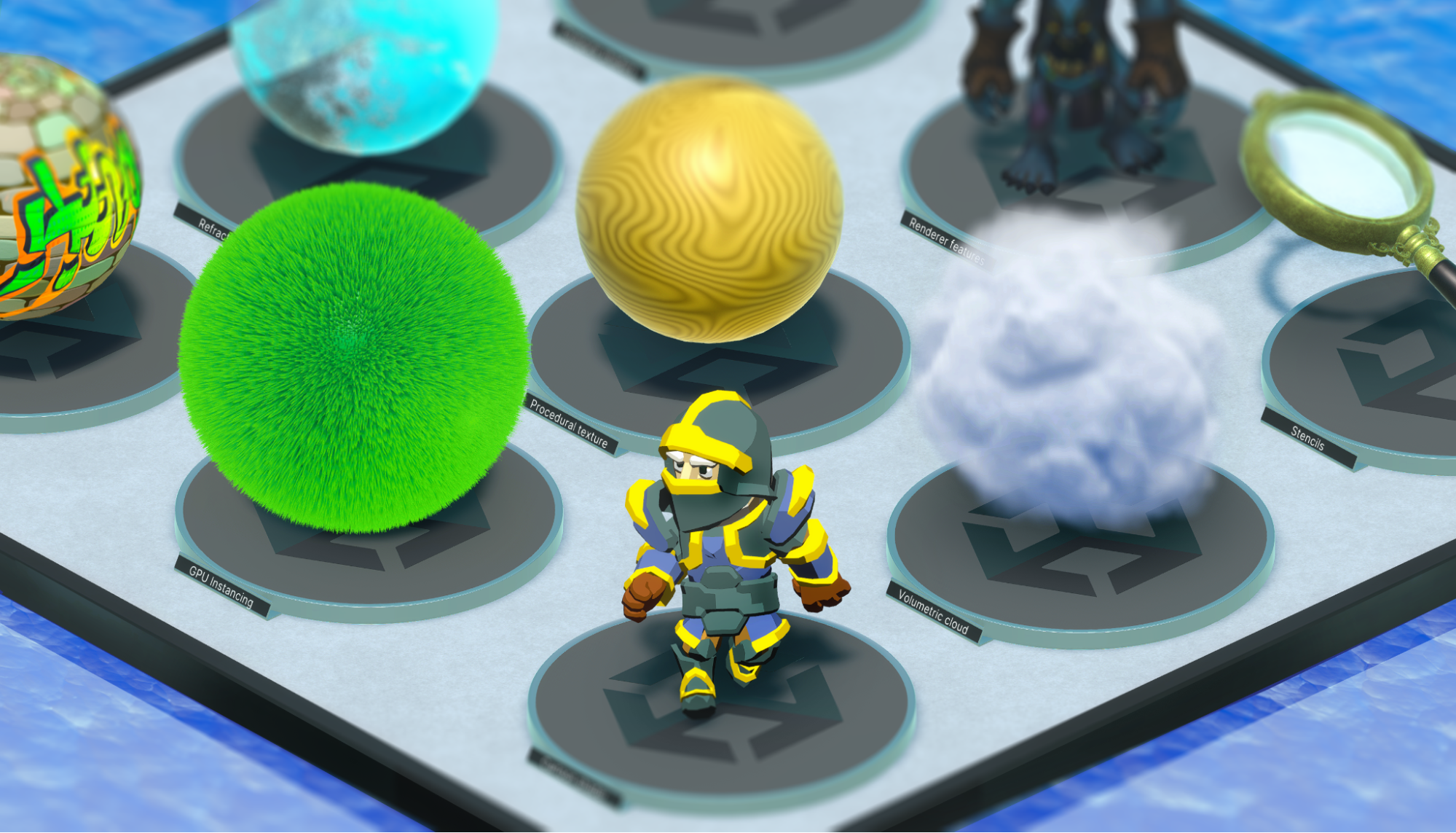
Recipes for shaders and effects in URP, including toon shading, outlines, decals, LUTs, reflections, water, volumetrics, compute, and Render Graph.

VFX Graph in Unity 6 from both art and engineering angles, including debugging, HLSL, Graphics Buffer, and URP/HDRP integration.
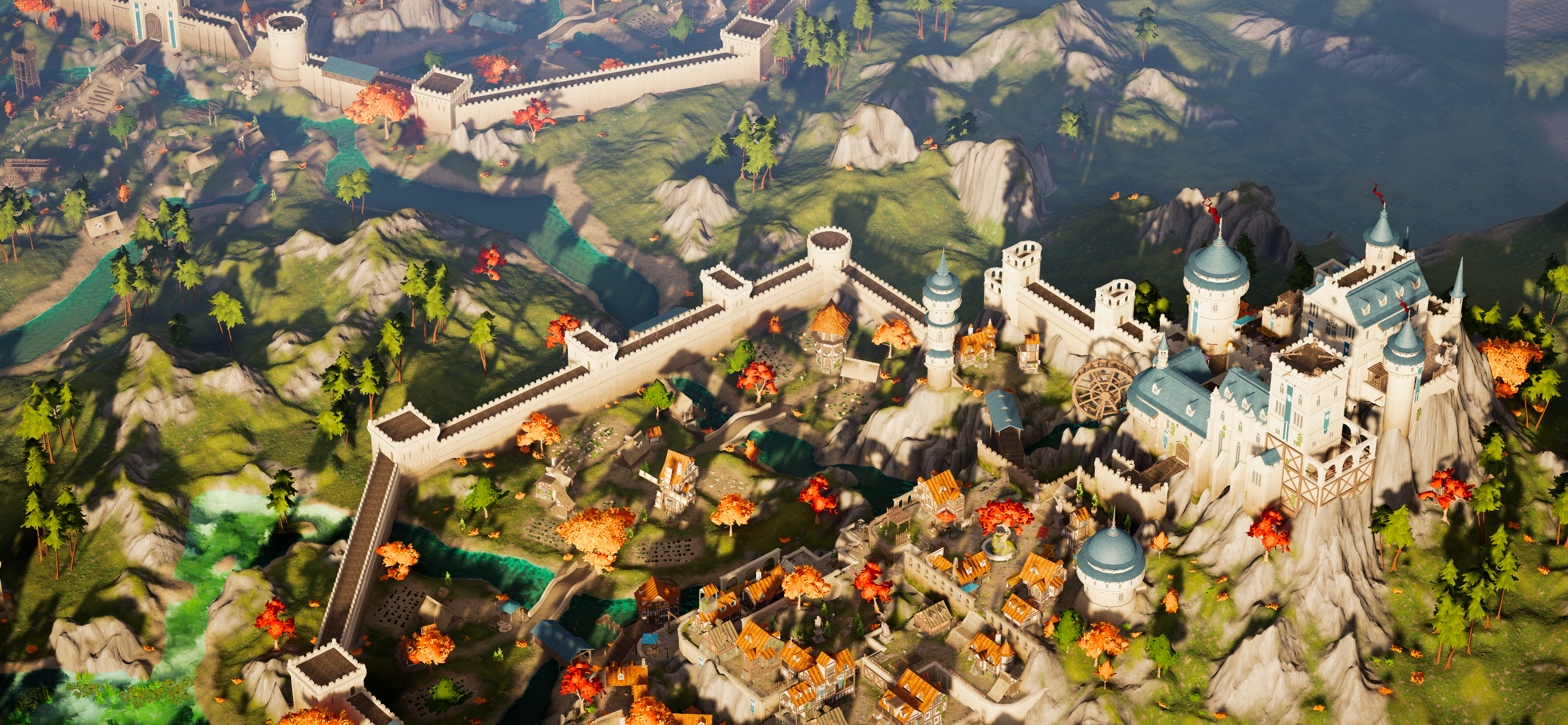
Advanced URP usage in Unity 6, with rendering quality, lighting, shaders, post-processing, Renderer Features, and Render Graph.
Materials were downloaded from the official Unity resources pages.